By Harrison James IV / Staff Writer
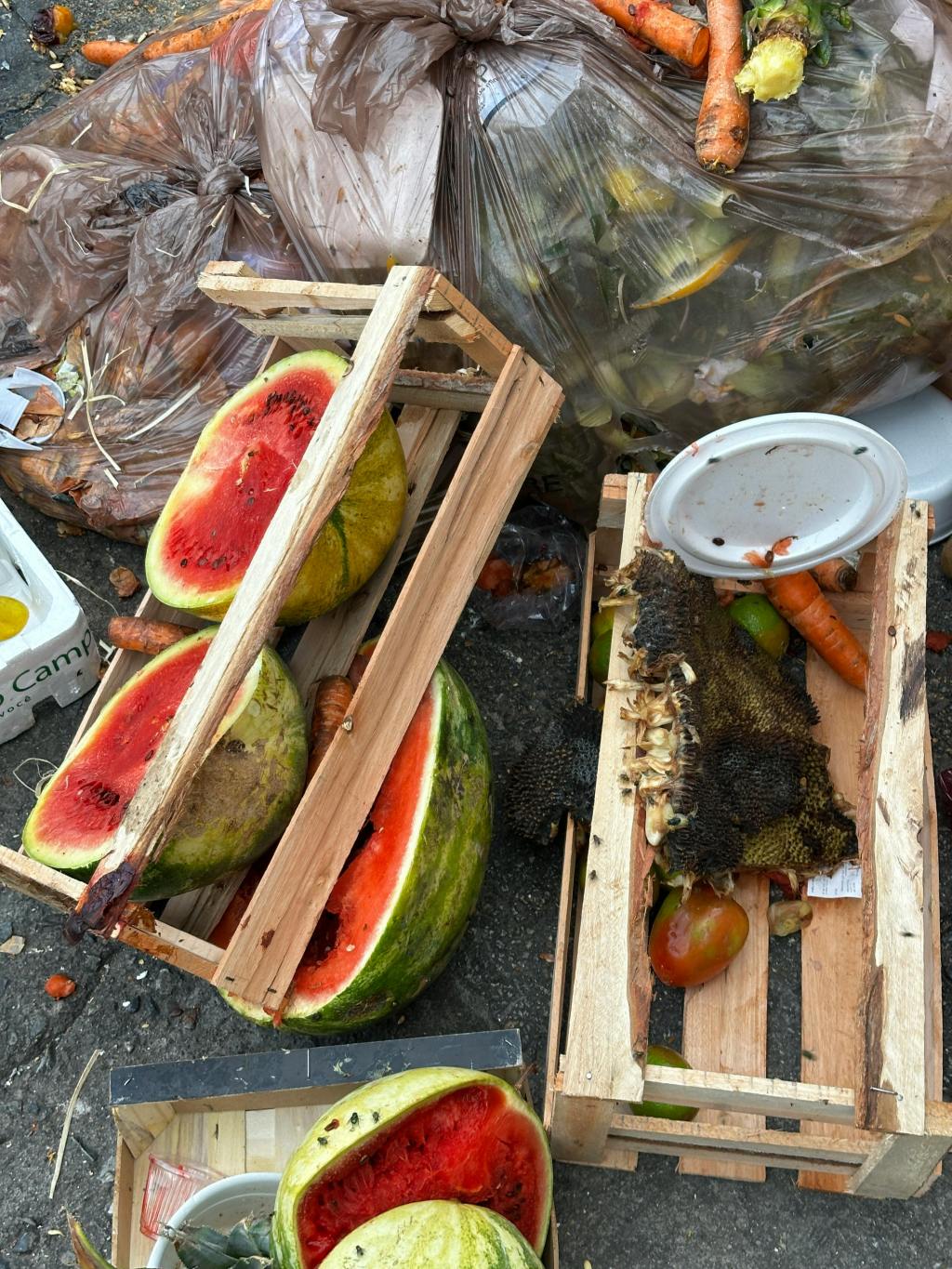
Food waste in America is a serious and often overlooked issue. Each year, nearly 40% of the U.S. food supply is discarded, amounting to over 130 billion pounds of wasted food. This happens across the entire supply chain, from farms and grocery stores to restaurants and households. At the same time, millions of Americans face food insecurity, struggling to access enough nutritious food. The contradiction is striking: while some people go hungry, perfectly edible food is thrown away.
Beyond the social impact, food waste has significant environmental consequences. When food ends up in landfills, it decomposes and releases a potential greenhouse gas that contributes to climate change. Additionally, the resources used to produce that food, water, energy, labor and transportation are wasted as well. This inefficiency puts a strain on both the environment and the economy.
To address this issue, several changes are needed. First, better food distribution systems could redirect surplus food to food banks and shelters. Second, clearer labeling on food products would help consumers understand the difference between “sell by,” “best by,” and actual expiration dates. Third, public education could teach people how to reduce waste at home through smarter shopping, meal planning, and storage. Policy reforms could encourage food donations and penalize excessive waste.
Food waste is a fixable problem, but it requires a lot of help and not just one person, and coordinated action from individuals, businesses and governments. By making smarter choices and supporting systemic change, together we can reduce waste, feed more people, and protect the planet.
 The Delta
Leave a comment