By Bradley Radu / Staff Writer
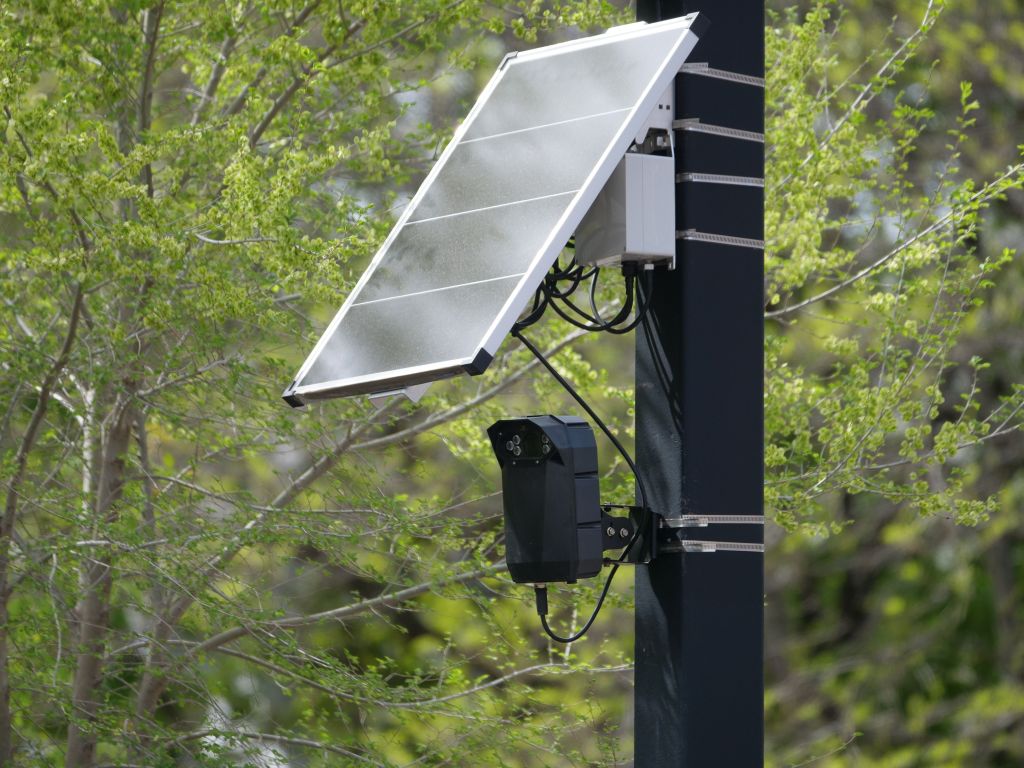
Americans should be deeply concerned about the rapid expansion of Flock Safety cameras. These systems create a form of automated location surveillance that threatens privacy, invites abuse, and raises serious questions about the protections guaranteed by the Fourth Amendment.
Flock Safety operates automated license plate readers, or ALPRs. According to Flock’s own policies, these cameras collect license plate images, vehicle characteristics, timestamps, and camera locations. Flock states that its current default retention period for license plate reader data is seven days, although retention periods can differ because of customer policies or applicable law.
The scale of the system matters. The ACLU reported in August 2026 that Flock operated more than 120,000 ALPR cameras nationwide. Those cameras can create records showing when and where vehicles were detected. The ACLU argues that interconnected ALPR databases can allow law enforcement to conduct retrospective searches and draw conclusions about people’s movements, including people who were never suspected of committing a crime.
That capability presents a serious danger to a society built around limits on government power.
The Fourth Amendment protects people against unreasonable searches and seizures. Flock surveillance has already become the subject of major Fourth Amendment litigation.
In Schmidt v. City of Norfolk, two Virginia residents challenged Norfolk’s use of Flock cameras, arguing that the system violated their Fourth Amendment rights. On January 27, 2026, a federal district judge ruled in favor of Norfolk and held that the city’s existing ALPR system did not violate the Constitution under the facts presented in that case.
That ruling does not end the constitutional debate.
The plaintiffs appealed to the Fourth Circuit Court of Appeals in February 2026. The ACLU and Electronic Frontier Foundation filed a brief supporting the challenge and arguing that large ALPR networks allow authorities to reconstruct people’s movements in ways that threaten reasonable expectations of privacy. The appeal remained active during 2026.
There is also documented evidence showing how this technology can be abused.
In September 2026, Albany County Sheriff’s investigator Laurie Moore was arrested and accused of conducting more than 4,000 unauthorized Flock searches. Authorities alleged that approximately 3,000 of those searches involved an ex-girlfriend’s vehicle. Following the investigation, the sheriff’s office reportedly implemented stricter access controls and monthly audits.
That case demonstrates why simply promising that surveillance technology will be used responsibly is not enough.
Flock itself acknowledges the possibility of misuse. The company says searches are logged and auditable, users must provide investigative reasons for searches, and agencies control which authorized personnel receive access. Flock also states that unauthorized tracking and uses outside defined purposes are prohibited.
But safeguards do not eliminate the underlying danger. They confirm that the danger exists and must be controlled.
The constitutional concern becomes greater as surveillance becomes easier and more comprehensive. A police officer observing a vehicle on a public road is fundamentally different in practical effect from an automated network recording vehicle locations around the clock and allowing those records to be searched afterward.
Americans should not accept a future in which traveling through public streets automatically creates a government-searchable history of their movements.
Lawmakers should impose strict warrant requirements for searches that reconstruct historical movements, establish short mandatory retention periods, require independent audits, restrict information sharing, and create serious penalties for misuse.
Flock cameras may be legal under certain current court rulings, but legality today does not make unlimited expansion safe, wise, or consistent with the privacy principles underlying the Fourth Amendment.
A free society should not build a surveillance infrastructure first and ask constitutional questions afterward.


Leave a Reply